General Dentistry

Whiter teeth. It's one of those things a lot of people want but aren't quite sure how to go about. With so many teeth whitening options out there – in-chair treatments, take-home kits, pharmacy strips – it's easy to end up down a Googling rabbit hole and coming out more confused than when you started.
But it doesn't have to be that complicated. The right whitening option depends on your dental health, the type of staining you have, your schedule, and what you're actually hoping to achieve. This guide breaks down the main whitening methods, how each one works, and what to think about before you begin – so when you come in for a chat, you're already across the basics.
Before getting into teeth whitening options, it helps to understand what causes discolouration in the first place.
Some of the most common culprits include:
It's also worth knowing that not all staining is the same. Some sits on the surface of your teeth (from food, drink or smoking) and most whitening treatments handle this well. Other discolouration starts from inside the tooth, often from medications or past dental trauma, and it can be trickier to treat. Your dentist will advise you on what’s realistic for your situation before you start anything.
In-chair whitening is done at your dental clinic, by your dentist, from start to finish. A professional-strength bleaching gel (typically hydrogen peroxide) is applied to your teeth and often activated with an LED light. The whole appointment usually takes up to two hours, including preparation.
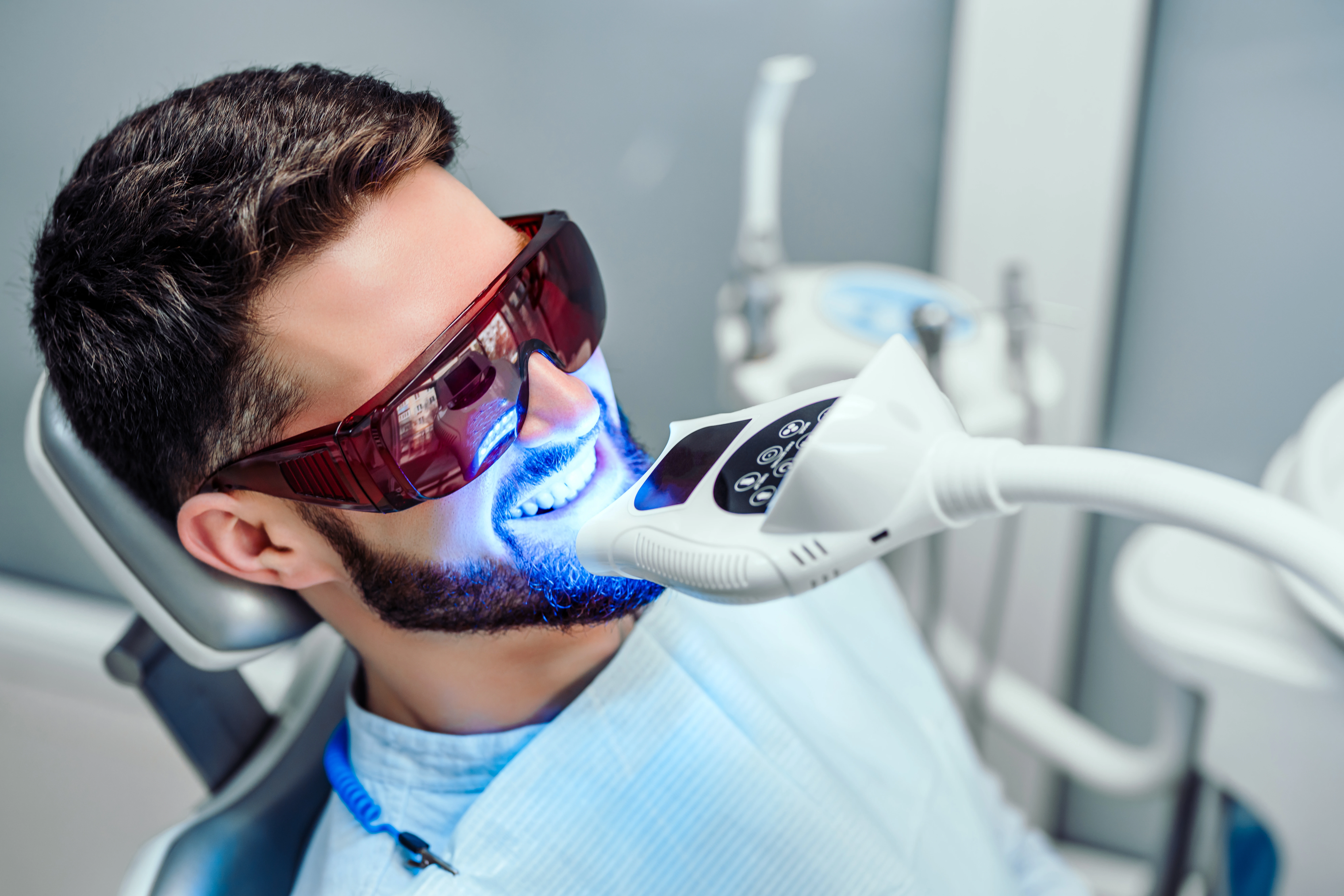
The key difference between what your dentist uses and what you can buy over the counter comes down to concentration. In Australia, only registered dentists can legally use whitening agents above a certain strength, and that strength is significantly higher than anything available at a pharmacy. That’s why results are generally more noticeable than OTC alternatives, though individual outcomes will vary.
Before any treatment begins, your dentist will check your teeth and gums, note your starting shade, and apply a protective barrier for gum protection throughout the process.
What it can offer:
Worth knowing:
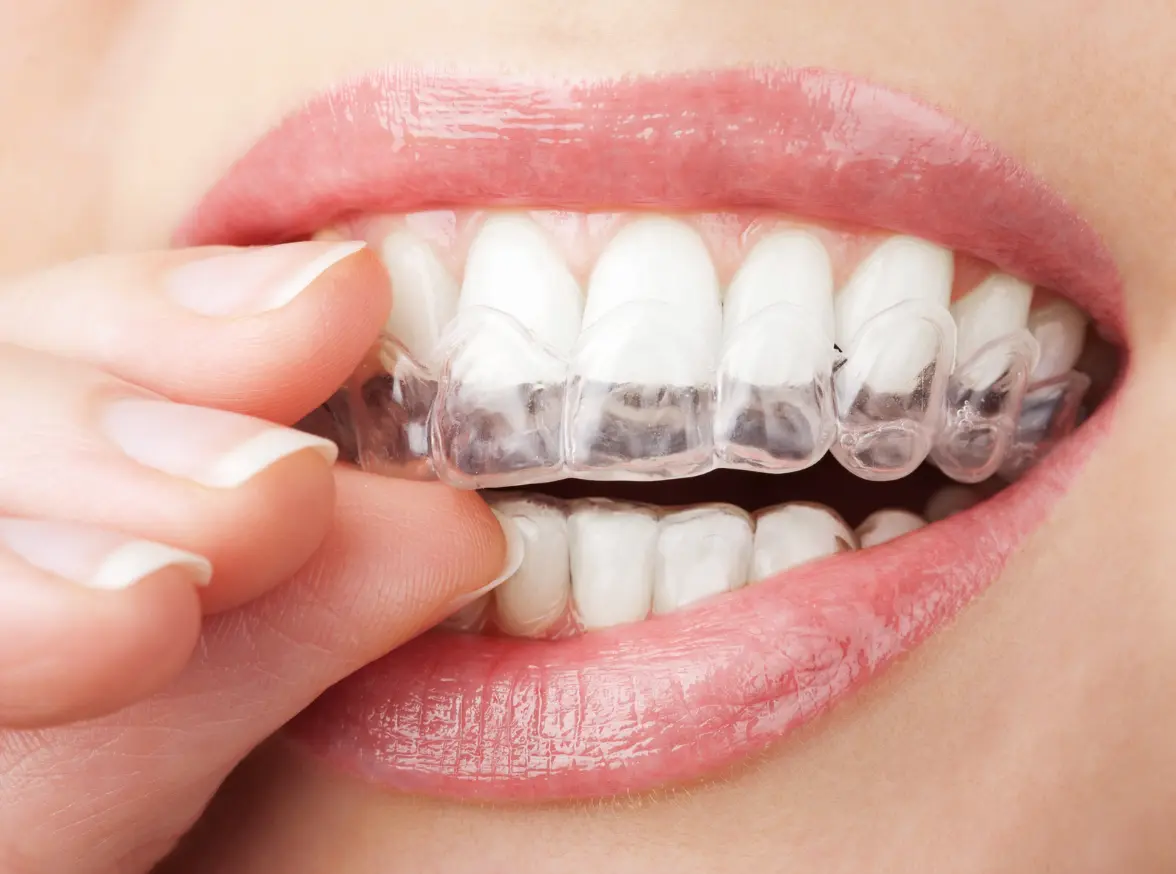
Dentist-prescribed take-home kits come with custom-fitted whitening trays made from impressions of your teeth, along with a professional-grade whitening gel. You wear them for around 30 to 45 minutes a day, usually over a consecutive two-week period.
Because the trays are made specifically for your mouth, the gel sits evenly against your teeth and stays away from your gums. The gel concentration is lower than in-chair treatments, which can mean a gentler experience (particularly if your teeth are on the sensitive side), while still delivering a noticeable result for most patients over the course of treatment.
What it can offer:
Worth knowing:
Over-the-counter (OTC) whitening products (strips, generic trays, gels, pens) are available from pharmacies and supermarkets without a prescription. In Australia, these products are regulated to a much lower concentration of whitening agent than anything used professionally, which means results can be more modest and take longer to show up.
The other limitation is fit. Without custom trays, the gel doesn't always sit evenly against your teeth – which can lead to patchy results – and is more likely to contact your gums, causing gum irritation.
What they can offer:
Worth knowing:

Whitening toothpastes are the most widely available option, and the most modest in what they can do. Most work through mild abrasives that scrub surface stains from the enamel. Some contain very low concentrations of peroxide or optical brighteners that create a temporary appearance of brighter teeth.
The important thing to know: whitening toothpastes don't change the underlying shade of your teeth. They're great for keeping surface staining under control and maintaining results after a professional whitening treatment, but they're not a replacement for one.
What they can offer:
Worth knowing:
For most people who are suitable candidates, teeth whitening is well-tolerated. But like anything dental, there are a few things worth knowing before you dive in.
Tooth sensitivity is the most commonly reported side effect, particularly with in-chair whitening. It usually settles within a day or two. If your teeth are already sensitive, mention it before you start, and using a desensitising toothpaste in the weeks leading up to treatment may take the edge off for some patients.
Gum irritation can happen if whitening gel contacts the soft tissue around your teeth. In-chair treatments use a protective barrier to minimise this, and custom-fitted trays sit more precisely against your teeth than generic OTC options – meaning less chance of the gel going where it shouldn't.
Uneven results are more of a risk with over-the-counter products, simply because a one-size-fits-all tray doesn't suit every mouth. Even with professional treatment, results can vary depending on the type and degree of staining.
Crowns, veneers and fillings won't change colour. Whitening only works on natural tooth enamel, so if you have restorations in visible areas, there may be a shade difference once your natural teeth lighten. If you're planning new dental work, it's worth whitening first so everything can be colour-matched to your new shade.
Results aren't permanent. Whitening can fade over time, especially if you regularly drink coffee, tea or red wine, or if you smoke. Good oral hygiene and occasional top-up treatments go a long way in keeping your results looking good for longer.
Not every type of staining responds the same way. Discolouration from medications or past dental trauma can behave quite differently to surface staining from food and drink. Your dentist will give you a realistic picture of what whitening can and can't achieve for your situation, before you commit to anything.
Whitening isn't the right fit for everyone, and that's completely fine. The best place to start is always a proper dental assessment, so you go in with a clear picture of what's suitable for your teeth and gums.
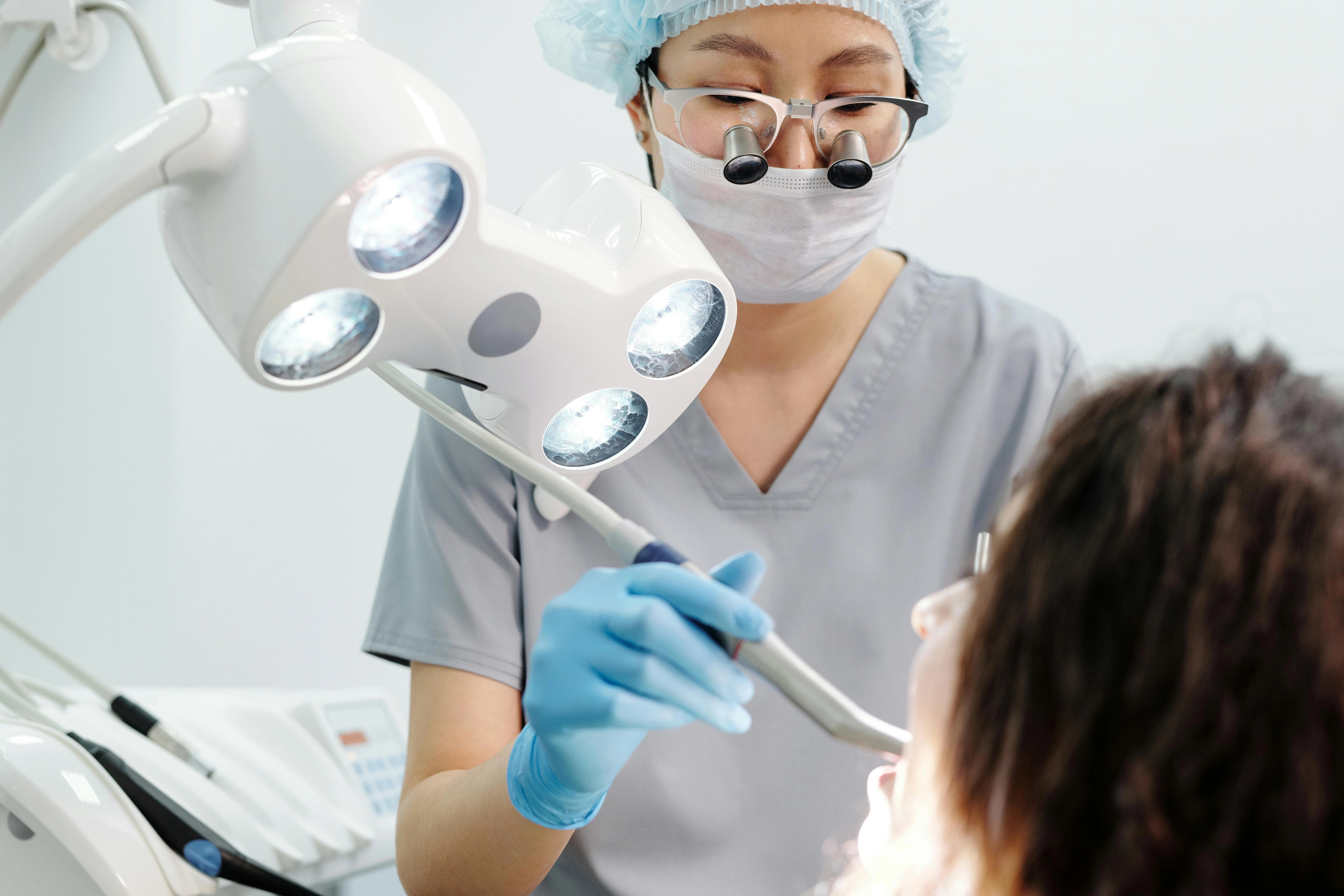
Your dentist will look at a few things:
Some people will need to hold off on whitening, at least for now. It's generally not recommended for children under 16, anyone who is pregnant or breastfeeding, or people with untreated gum disease, active decay, or significant enamel wear. If any of these apply, your dentist will walk you through what needs to be addressed first. At Hello Dental, we can advise you on whether whitening is appropriate and, if so, which option suits your situation.
You've put the effort in – here's how to keep your results looking good for longer.
There's a lot to consider when it comes to teeth whitening, which is why it helps to talk it through with someone who knows your mouth.
In-chair treatments, take-home kits and over-the-counter products each have their place. None of them suits every person, every budget, or every type of staining. The good news is you don't have to figure it out on your own.
If you're based in Chelsea Heights or the surrounding area and want to explore your teeth whitening options, we'd love to help. Book a consultation with the Hello Dental team, and we'll take it from there.
Want to keep reading? Check our blog for more guides on other dental treatments.